Three Cheese Stuffed Shells are a delicious twist on lasagna using jumbo shells that are stuffed with the classic lasagna cheese blend with Italian seasoning all baked in spaghetti sauce for a classic Italian dish. A tried and true family favorite dinner! Prep Time: 20 minutes minutesCook …
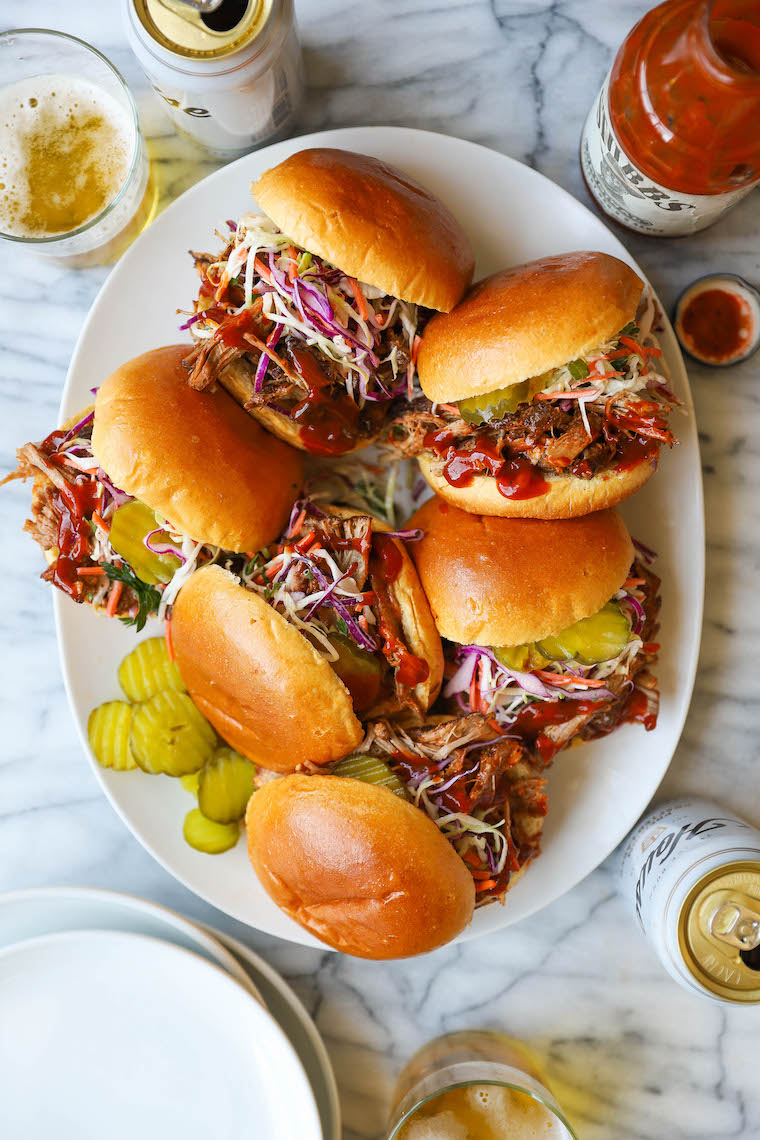
The easiest + BEST pulled pork ever! Serve with your favorite BBQ sauce. So smoky, so flavorful, so juicy, and SO SO GOOD. Cook: 50 minutes minutesPrep: 20 minutes minutesYield: 8 servings Ingredients Equipment Instructions
This authentic Moroccan couscous is a colorful dish made with perfectly cooked couscous topped with a variety of fresh veggies stewed in a flavorful broth. Moroccan People make it every Friday as a way to gather together and pray.
Prep Time: 35 minutes mins Cook Time: 2 hours hrs
Ingredients
Couscous
2.2 lb. couscous – (not instant; I prefer medium caliber)
1/4 cup olive oil or vegetable oil
6 cups water, divided – (can use milk for final steaming)
2 to 3 tsp salt – (added after 1st steaming)
2 tbsp soft butter – (added after final steaming)
Meat and Broth Seasoning
2.2 lb. lamb, beef, or goat meat, large pieces on the bone – (or 1 large whole chicken)
Soak the dried chickpeas in a large bowl of water overnight. (Or, use a quick soak method: boil the dried chickpeas for 4 or 5 minutes, then turn off the heat and leave them to soak for an hour.)
Wash and prep your vegetables. Start making the tfaya (optional; see Recipe Notes).
Set up an area to work with the couscous. In Morocco we use a gsaa (very wide, shallow serving and mixing dish), but another very large wide vessel or bowl can work. Have oil, water, salt, and butter out and ready. Lightly oil the steamer basket of a couscoussier.
Begin Making the Broth
Brown the meat or chicken with the oil, onion, tomatoes and spices in the base of a couscoussier over medium-high heat. Continue cooking, uncovered and stirring frequently, for about 10 to 15 minutes, until a very thick and rich sauce begins to form.
Add the soaked, drained chickpeas along with the parsley/cilantro bouquet and about 3 quarts (or liters) of water. Bring to a boil, cover, and cook over medium heat for about 30 minutes
First Steaming of the Couscous
Drizzle 1/4 cup of oil over the couscous. Toss and roll the couscous around between your hands for a minute to distribute the oil evenly and break up any balls or clumps. Add 1 cup of water and work it into the couscous in the same way tossing and rubbing the couscous until all is well blended and there are no clumps.
Transfer the couscous to a lightly oiled steamer basket, taking care not to compress the grains in the process. Place the basket on the couscoussier and steam for 15 to 20 minutes, timing from when the steam first appears over the couscous.
Second Steaming of the Couscous
Turn the couscous back into your gsaa or bowl. Allow it to cool briefly, then work in 1 cup of water, using the same tossing and turning as you did before. (You may need to use a wooden spoon if the couscous is too hot, but move to using your hands when it has cooled enough.)
Add the salt in the same manner, then add in another 1 cup of water. Toss and roll and rub the couscous with your hands for a good minute or two, again making sure there are no balls. Transfer the couscous back to the steamer basket, again taking care not to compress or pack the grains.
Add the cabbage, onions, tomatoes (and fava beans, if using) to the couscous pot, then place the couscous basket on the couscoussier. Steam for 15 to 20 minutes, timing from when you first see steam emerge from the couscous.
Third and Final Steaming of the Couscous
Turn the steamed couscous out into your gssaa or bowl. Add the turnips and carrots to the pot; cover and allow them to cook for 15 minutes while you work with the couscous.
In increments, work 2 to 3 cups of water or milk into the couscous in the same manner as before tossing and turning and rubbing the grains between your hands and making sure there are no clumps. Use only as much water or milk as needed to make the couscous al dente.
Taste the couscous for salt and add a little more if desired. Transfer half of the couscous to the steamer basket, again being careful not to pack the grains.
Add the remaining vegetables to the pot the squash or pumpkin, the zucchini and the sweet potatoes if using. Top with a little water if the level has dropped below the vegetables. Taste and adjust seasoning it should be well flavored, a bit salty and peppery.
Place the couscous basket back on the pot and cook until steam begins to emerge from the couscous. Gently add the remaining couscous to the basket and continue cooking. Once you see steam rise from the couscous, allow it to steam for another 10 to 15 minutes, or until light and fluffy and the latest additions of vegetables have cooked.
Serving the Couscous
Turn the couscous out into your bowl and work in the butter. Add the smen (if using) to the broth in the pot and swirl to incorporate.
Work about 1 cup of broth into the couscous, tossing as you did before. Arrange the couscous into a large, shallow mound in your gsaa or on a deep serving platter. Make a large indentation in the middle to hold the meat.
Retrieve the meat from the pot and place in the center of the couscous. Top it with the cabbage and squash or pumpkin. Retrieve the other vegetables from the broth with a slotted spoon and arrange all around meat (in pyramid fashion, if you like). Garnish with the chickpeas (and/or fava beans), chili peppers and even the bouquet of parsley if you like.
Drizzle several cups of broth carefully over the couscous. Offer the remaining broth in bowls on the side.
Tfaya is optional and can be used as a garnish or served on the side.
Notes
To make tfaya, combine all tfaya ingredients (except for the orange flower water) in a small pot. Cover and simmer over medium-low heat until the onions and raisins are tender and liquids have reduced to a thick syrup, about 30 minutes to 1 hour. Stir occasionally, and add a small amount of water during cooking if it’s needed. An optional last step is to add a little bit of orange flower water to taste. Serve warm.
If you are using chicken, be sure to remove it from the pot once it has cooked. Check after the first steaming of couscous. Free-range chickens may or may not require the entire cooking time.
You can reheat chicken for serving by adding it to the pot for a few minutes at the very end of cooking, but I prefer to brown it in a 425° F (220° C) oven.
To make a vegetarian version of couscous with seven vegetables, omit the meat or chicken in the first step of making the broth. Follow the directions as written unless you are using canned chickpeas instead of dried, soaked ones. In that case, once a thick sauce has formed from the onions and tomatoes, you can add the water and proceed directly to the first steaming.
If preparing vegetarian couscous, you may want to add additional oil to yield a richer broth. Olive oil adds flavor and I actually use it routinely when making couscous.
In our house, it’s all about the broth. I often increase seasoning and water by half to ensure that we have ample broth for serving on the side. You don’t need to do that, but do be sure to top off the water and check seasoning from time to time while cooking.
Dried chickpeas that have been soaked overnight are preferred to canned. If you do use canned, drain and add them to the broth at the very end of cooking, after the final steaming of couscous. No need to simmer; they’ll heat through while your’re busy assembling the couscous for serving.
A note about carrots. Many Moroccans insist on cutting them in half lengthwise to remove the core. I prefer not to do that unless the core is dry and woody. If you do take this step, the carrots will cook faster than if they contain the core and/or are left whole, so you may want to adjust when you add them to the pot. I’ll leave small and medium carrots whole, for example, but I’ll cut very large carrots in half.
Steaming couscous is the only way couscous is made in Morocco. Be sure no steam is escaping between the steamer basket and pot. If it is, loosely wrap a long piece of folded plastic wrap over the rim of the pot and then position the steamer on top; the plastic film should create a snug seal.
For an extra delicious steamed couscous, use milk in place of water for the final steaming.
If you must use instant couscous, be sure to reconstitute it with broth from this recipe. Avoid making it soggy; it should be light and fluffy.
Nutrition information is provided as a courtesy and is only an estimate obtained from online calculators. Optional ingredients may not be included in the nutritional information.
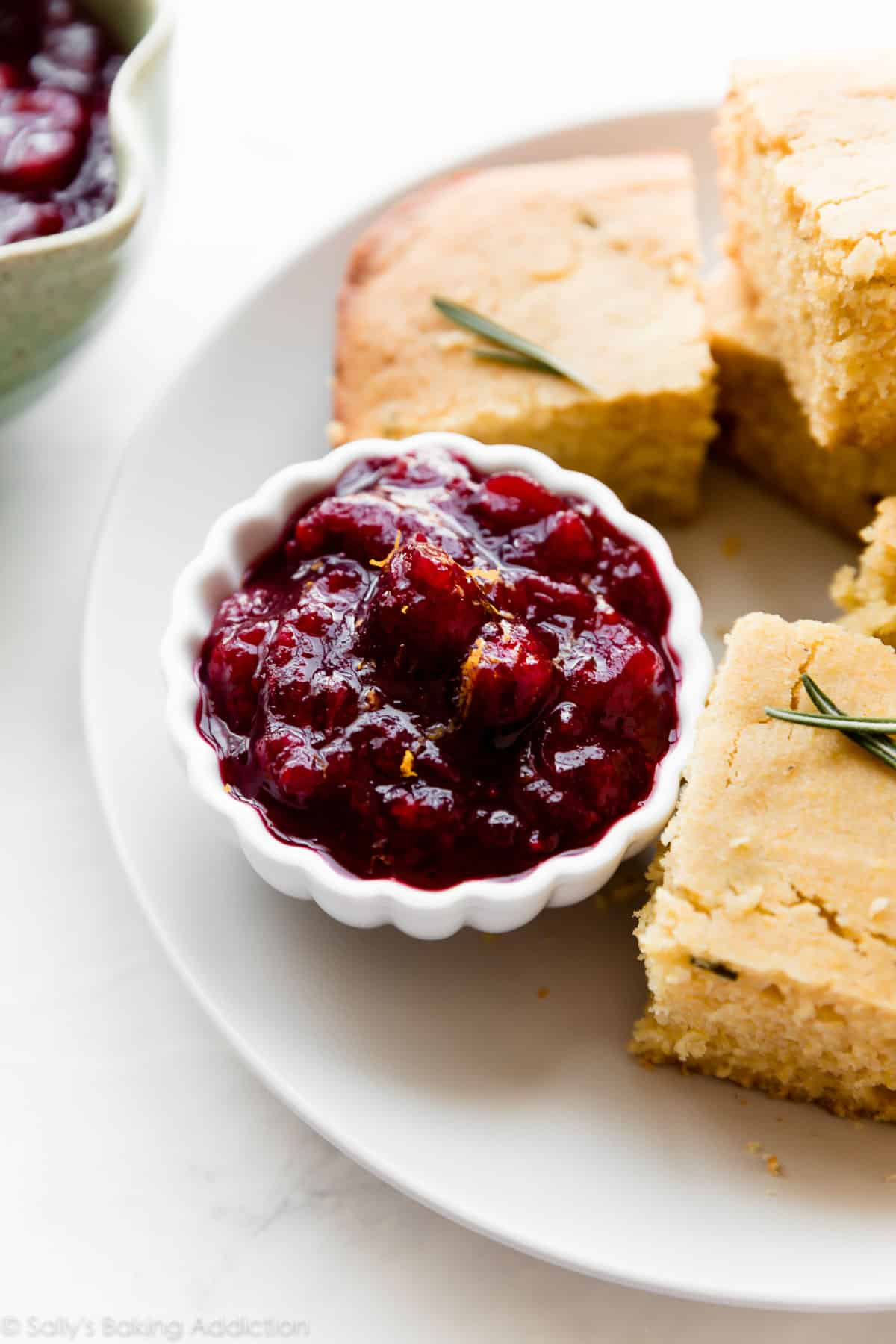
Made from 5 ingredients, this easy sauce is ready after 20 minutes on the stove. It thickens as it cools. You can use fresh or frozen cranberries. See notes. Prep Time: 5 minutesCook Time: 20 minutesYield: 2 cups Ingredients Instructions Notes
A spicy sweet stuffed Hatch chile with quinoa and corn topped with cheese and served with a cilantro yogurt honey sauce that will awaken your taste buds. Prep Time 10 minsCook Time 20 mins Serves 2 Ingredients For the cilantro yogurt sauce: Instructions For the …
Tender, juicy chicken legs that are tossed in seasonings and baked until they have a crispy skin!
Ingredients
▢ 8 chicken drumsticks about 2 lb
▢ 2 Tbsp olive oil
Seasonings
▢ 1 tsp sea salt
▢ ½ tsp ground black pepper
▢ 1 tsp garlic powder
▢ 1 ½ tsp smoked paprika
▢ ¼ tsp chili powder
▢ 1 tsp onion powder
Instructions
Preheat the oven to 425 degree F.
Line a baking sheet with aluminum foil and lightly spray with non-stick cooking oil. Set aside.
Remove drumsticks from packaging. Pat them dry with paper towels. Place into a bowl or resealable plastic bag. Add oil oil and toss to coat.
In a small bowl combine seasonings. Add to bowl/bag and toss until chicken is coated.
Place drumsticks on the baking sheet. Place in a preheated oven and bake for 40-45 minutes or until the internal temperature is 165 degrees or higher.
Tips
Technically the internal temperature needs to be 165 degrees F, but I find that there are no bloody spots around the bones if you cook it a little longer and the chicken is fall off the bone tender and juicy.
How long does baked chicken last?Cooked chicken lasts for up to four days in the refrigerator. You can enjoy it warmed up, but the skin won’t be as crispy. Sometimes I just pull the meat off the bone and store it for easy sandwiches and salads for lunch. It’s delicious cold or warmed up!
Baked Veggie Korma is a mild, creamy, and nutritious dish perfect for kids! Packed with tender roasted vegetables, chickpeas, and a fragrant korma sauce, this meal offers a comforting blend of coconut, mild spices, and a hint of sweetness. Baking the korma enhances the flavors …